
4 Creative Landscape Design Strategies to Enhance Small Yards
Maximizing the potential of a small yard can be a rewarding challenge. While limited space may seem restrictive, it offers an opportunity to explore creative landscape design strategies that bring beauty, functionality, and personality to your outdoor area. Small yards can become intimate retreats, lively entertainment zones, or lush green sanctuaries with the right approach. By focusing on thoughtful design, homeowners can transform compact spaces into dynamic outdoor environments that feel larger than they are.
Achieving this transformation requires a combination of innovative thinking and practical planning. Every element, from plant selection to hardscape materials, plays a critical role in how a small yard functions and feels. Understanding how to manipulate scale, color, texture, and layout can significantly impact the perception of space. Explore four creative strategies to enhance the style and usability of small yards while maintaining a cohesive, inviting outdoor environment.
1. Embrace Vertical Gardening
When horizontal space is limited, looking upward is one of the most effective strategies. Vertical gardening leverages walls, fences, trellises, and even custom-built structures to add greenery without taking up valuable floor area. Climbing plants, hanging planters, and wall-mounted containers can create lush vertical layers, bringing depth and dimension to a small yard. Plants like ivy, clematis, and climbing roses can soften boundaries while adding a striking visual focal point.
Incorporating vertical gardening doesn’t have to be limited to plants alone. You can mix in functional landscape design elements, such as wall-mounted shelves for potted herbs, decorative hanging baskets, or even vertical water features. This approach also introduces texture and movement, drawing the eye upward and making the yard feel larger than it actually is. Vertical gardening is particularly effective in urban environments, where small yards often lack wide expanses but have walls, fences, or even balconies that can host plants.
Another advantage of vertical gardening is that it can improve privacy without sacrificing light or airflow. Strategically placed trellises or living walls can screen neighbors or busy streets while still letting air circulate. Adding vertical elements also opens the opportunity for multi-tiered planting, where smaller plants grow below climbing varieties, creating a layered effect that enhances depth perception in the space.
Vertical gardening can serve as a canvas for seasonal changes and personal expression. You can rotate plants with the seasons, display flowers in complementary colors, or even integrate artistic elements like murals or decorative panels behind the greenery.
2. Use Multi-Functional Furniture and Structures
Small yards demand thoughtful planning not only for plants but also for furniture and structural elements. Choosing multi-functional pieces ensures that every inch of space serves a purpose. Benches with built-in storage, foldable tables, and modular seating can adapt to various activities without overcrowding the yard. These versatile furnishings allow homeowners to host guests, relax, or garden efficiently in a compact area.
In addition to furniture, small yards benefit from multi-purpose structures. For example, a pergola can provide shade, support climbing plants, and define an outdoor room simultaneously. Garden sheds with built-in potting benches, or planter boxes that double as seating, maximize utility while maintaining an attractive aesthetic. When selecting materials, opting for lightweight, weather-resistant options ensures that pieces can be moved or rearranged as needed, providing flexibility for changing yard layouts or seasonal needs.
Designing pathways with dual purposes is another strategy to make the most of small spaces. Narrow walkways can double as planting borders or guide visitors to focal points like a small water feature or sculpture. Even vertical elements like trellises can be designed to support lighting or hanging planters, merging utility and decoration.
Multi-functional designs encourage creativity and personalization. Integrating seating, storage, and planting areas in unique configurations allows homeowners to tailor the space to their lifestyle. For example, a compact yard can host an intimate dining area, a meditation corner, or a mini herb garden, all within a few square feet.
3. Create the Illusion of Space With Design Techniques
Perception plays a huge role in making a small yard feel open and welcoming. Strategic use of landscape design elements such as mirrors, color schemes, and layout patterns can create the illusion of more space. Mirrors placed along fences or walls reflect light and surroundings, giving the impression of depth. Similarly, light-colored paving stones or gravel can make pathways appear longer, and larger areas feel brighter.
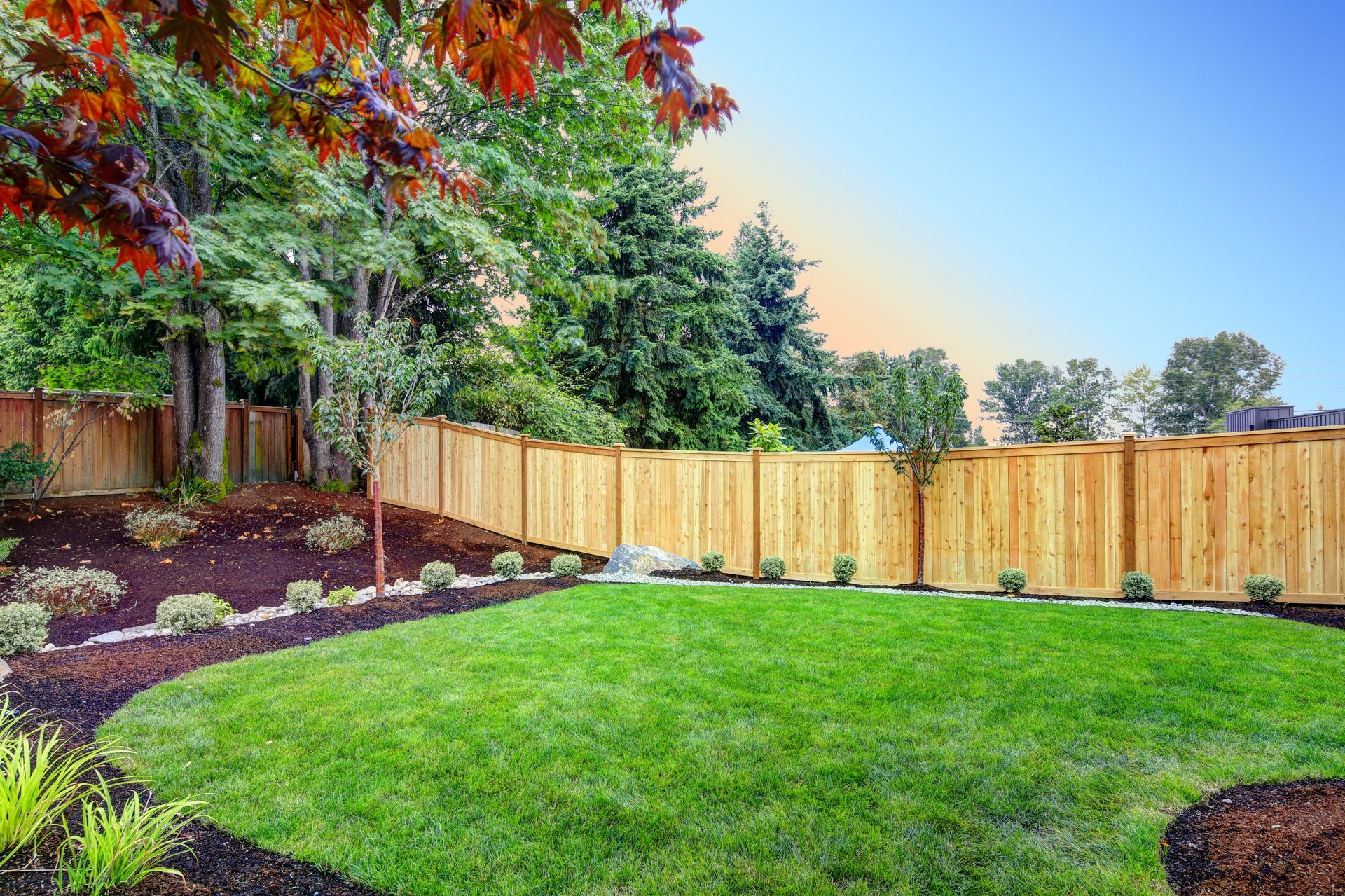
Layering plant heights and grouping species with contrasting textures can also enhance the sense of space. Tall, slender plants at the back of a border, medium-height plants in the middle, and low-growing ground covers at the front create perspective and draw the eye into the garden. Pathways that curve or zigzag rather than follow a straight line add intrigue and the feeling of exploration, making the yard feel larger than it is.
Color selection plays a pivotal role as well. Cool colors like blues and greens tend to recede visually, making spaces feel more expansive, while warmer hues such as reds and oranges bring elements forward. By combining colors strategically, homeowners can emphasize depth and layering within their yards. For instance, painting a fence with soft pastel or incorporating flowering plants with cooler shades at the back of a border can visually extend the space.
Thoughtful landscape design techniques allow homeowners to harmonize practical needs with aesthetic goals. Vertical elements, reflective surfaces, and color choices all contribute to a cohesive sense of openness, while the arrangement of plants and pathways guides movement and experience.
4. Integrate Native and Low-Maintenance Plants
Choosing the right plants is essential when working with limited space. Native plants are particularly valuable for small yards because they are adapted to local soil, climate, and pest conditions, often requiring less water and care. By focusing on native and low-maintenance species, homeowners can create lush, thriving gardens without overwhelming their schedules or the space. According to Fundly, 58% of new landscape installations utilize native plants, which are often more resistant to local pests.
Incorporating native plants also supports local wildlife, including pollinators like bees and butterflies. Small yards can become mini-habitats that contribute to environmental health while remaining visually appealing. Grouping plants according to their water and sunlight needs ensures healthy growth while simplifying maintenance.
Low-maintenance landscaping techniques, such as using mulch, ground covers, and drought-tolerant plants, help reduce upkeep in small spaces. These methods conserve soil moisture, suppress weeds, and enhance the overall aesthetic. Additionally, integrating compact shrubs, vertical plantings, or container gardens allows homeowners to experiment with variety without overcrowding the yard.
Selecting the right plants provides opportunities for year-round interest. Seasonal flowers, evergreen shrubs, and hardy perennials can ensure that a small yard remains vibrant throughout the year. When paired with thoughtful landscape design, vertical structures, and multi-functional furnishings, native and low-maintenance plants become the backbone of a small yard that is both practical and visually stunning.
Small yards offer a unique canvas for creativity, blending practical needs with personal expression. By embracing vertical gardening, homeowners can expand the perceived space and add depth without encroaching on valuable ground area. Thoughtfully designed, multi-functional furniture and structures make every square foot count, allowing small yards to serve multiple purposes without feeling cluttered or confined. These strategies work together to maximize usability while maintaining an inviting atmosphere.
Clever landscape design techniques and careful plant selection allow small yards to feel larger, more vibrant, and easier to maintain. Using illusions of space through color, mirrors, and layering enhances openness, while native and low-maintenance plants ensure longevity and sustainability. With careful planning, small yards can become cozy retreats, lively entertainment zones, or serene gardens that reflect both style and practicality.
Transform your small yard into a stunning outdoor retreat with expert landscape design from Superior Outdoor Expressions. Contact us today to start creating a space that’s both beautiful and functional.


Share On: