
Choosing the Right Trees From a Reliable Tree Nursery
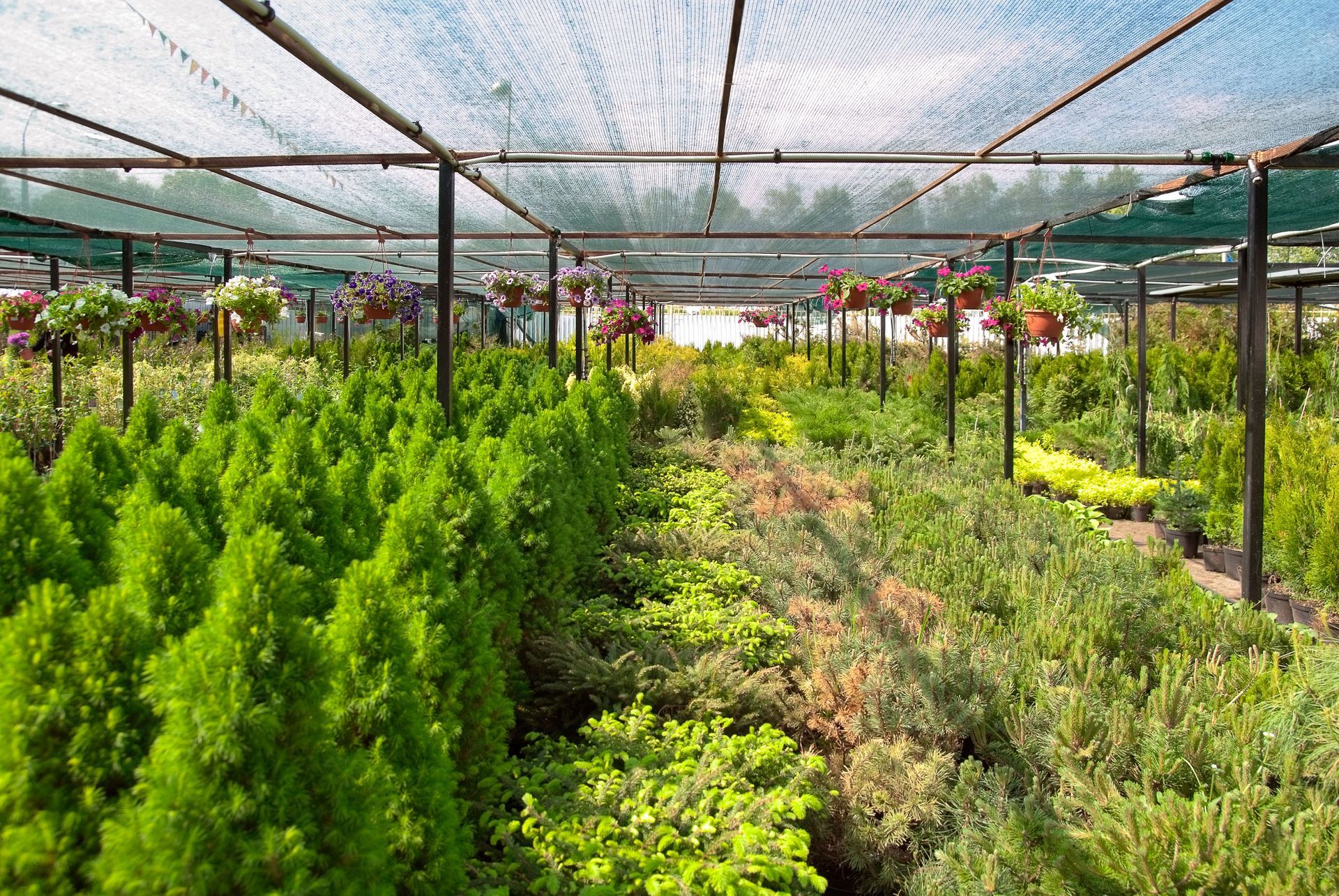
Choosing the right trees for your landscape or garden is a crucial decision that impacts the aesthetic value, environment, and biodiversity of your space. Selecting trees from a trusted tree nursery ensures that you receive healthy, appropriate, and sustainable plant options. This article explores the key considerations and steps involved in making an informed tree selection from a reliable tree nursery.
Understanding Your Landscape and Needs
Assessing Climate and Hardiness Zones
Before selecting trees, it's vital to understand the climate and hardiness zone of your area. These zones help determine which trees will thrive in your specific environment. Consulting the USDA Hardiness Zone Map can provide insights into temperature extremes your trees must withstand. A tree well-suited to your climatic conditions will establish more easily and ensure long-term survival. Choosing trees resilient to local conditions will maximize their growth potential and longevity.
Moreover, understanding your property's climate can give additional benefits. A southern exposure might offer more warmth, while a northern area could be cooler and shady. Appropriately located trees can create windbreaks or provide much-needed shade in specific areas. This analysis of your property helps in placing trees for optimal performance. Matching the tree's needs with your landscape conditions promotes healthy growth and reduces maintenance requirements.
Fundamentally, aligning the selection with climate considerations also minimizes risks of plant stress. Stress can invite pests and diseases, leaving trees vulnerable and diminished in health. Choosing native species is often advantageous as they have evolved to handle local weather variations. According to Fundly, 58% of new landscape installations now use native plants, which require less water and are more resilient to local pests. Embracing native trees can enhance biodiversity and fortify ecosystems.
Evaluating Soil Type and Drainage
Evaluating soil type is another critical step in selecting suitable trees. The composition of soil - whether sandy, loamy, or clayey - affects its drainage capacity. Different tree species have unique soil texture preferences, so understanding your soil can guide your selection towards a better matched tree. Testing soil for pH and nutrient levels is also advisable. The right soil conditions help reduce fertilization needs and support robust tree health.
Alongside soil type, drainage is a pivotal factor affecting tree health. Poorly drained soil can lead to root rot and other fungal diseases, which may devastate young trees. Conversely, overly sandy soils may struggle to retain sufficient moisture. Assessing how water moves through your landscape provides vital information on tree placement. Ensuring appropriate drainage aligns with the water needs of your selected species, fostering healthy root development.
This soil assessment will also influence the planting technique and amendments necessary. Adjusting the soil structure with organic matter or sand, where required, optimizes the growing conditions for trees. Such pre-emptive care reduces future maintenance hassles. Partnering with your chosen tree nursery can offer additional insights and help overcome challenging soil conditions. Their expertise ensures that you can create conducive settings for tree growth.
Determining Space and Tree Size Requirements
Space assessment is vital in determining the type and size of trees you can support. Small spaces might require dwarf or slow-growing varieties, whereas expansive areas can accommodate majestic large trees. Acknowledging the mature size of trees prevents overcrowding and ensures sufficient room for roots and canopy to spread. Understanding root systems is also important; some trees have extensive, invasive roots that could threaten foundations or infrastructure.
Proper spacing is not just about maximizing growth potential; it also impacts how trees relate to buildings and other plantings. Sufficient clearance from structures, paths, and power lines avoids future issues. A well-planned layout enhances both aesthetics and safety within your landscape. Using a landscape design plan can help visualize the mature dimensions of proposed trees. This foresight ensures a harmonious and balanced garden space.
Envisioning how trees fit into your long-term landscape goal is as crucial as immediate considerations. Trees are long-lived and thoughtful spacing maximizes their ecological and aesthetic contributions over decades. Meanwhile, smaller understory trees or companion plantings can add layers and interest without overwhelming space. Balancing short-term growth with long-term possibilities aligns with sustainable landscape practices. Through careful planning and collaboration with knowledgeable tree nursery staff, your vision can materialize seamlessly.
Considering Long-term Growth and Maintenance
Long-term growth considerations should align with your capacity for maintenance. Some trees might require regular pruning or pest management, demanding more time and resources from homeowners. Knowing in advance the maintenance commitment of a species informs better purchasing decisions. Relatively low-maintenance trees might be preferable for busy individuals or limited-care landscapes. Effort invested in understanding these needs upfront leads to fewer surprises down the road.
Furthermore, anticipating tree longevity is valuable as different species thrive for varying periods. Choosing long-lived trees contributes to stable and mature landscaping but may pair with slower growth rates. Balancing rapid growth against longevity is part of thoughtful landscape planning. Ensuring manageable future pruning and limiting interference with power lines and paths is requisite. Considering how trees will fit with landscape evolution over the years is a testament to wise planning.
Enlisting tree nursery professionals offers invaluable guidance when navigating these future-focused considerations. With their insights, you're equipped to match realistic growth and maintenance aspirations. Aligning immediate desires with future sustainability enhances your landscape's resilience. This prudent assessment nurtures a flourishing, low-intervention outdoor setting. It transforms tree planting from mere beautification to a legacy of environmental stewardship.
Researching Tree Varieties
Understanding Growth Rates and Mature Sizes
Grasping the growth rates of trees is important to setting realistic expectations. Fast-growing trees may provide rapid results, especially when quick shade or privacy is desired. However, rapid expansion might mean weaker wood, increasing susceptibility to breakage or disease. Conversely, slower-growing trees might initially be underwhelming but often lead to sturdier and longer-lived landscapes. Understanding these dynamics assists in aligning with your timeframes and maintaining essential trade-offs between patience and urgency.
It is equally pivotal to visualize the mature size of your tree species. The final height and canopy spread impact space allocation and cohabitation with other plants. Planning for mature size prevents crowding and asphyxiation of adjacent growth, ensuring all parts of the landscape thrive harmoniously. Mature size estimations are especially critical near buildings or utility lines where root systems can interfere with structures. Consulting mature size charts simplifies the translation of a sapling's progress into its permanent, more impacting presence.
Nurseries can render valuable foresight on growth patterns allowing homeowners to forecast for decades ahead. Leveraging this wisdom encourages embedding exponential value in landscapes today to reach superb vistas tomorrow. Collaboration with trusted sources keeps you informed of growth dynamics while informing choices that affirm balance and visual satisfaction over time. Integrating trees with a comprehensive vision yields expansive, flourishing spaces that serve practical needs and picturesque charm.
Reviewing Pest and Disease Resistance
Assessing pest and disease susceptibility is crucial for maintaining a healthy landscape. Choosing tree species known for robust resistance simplifies maintenance by minimizing interventions. Native trees generally bring innate resistance to local pests and disorders, reducing chemical reliance. Similarly, some cultivars have been specifically bred for enhanced resilience. Resilient trees can fend off infestations independently, contributing to a thriving ecological system favorable to beneficial insects.
Eliminating potential maladies before they surface translates into longer tree lives and better forestalling gradual declines. Often, nurseries can provide documentation or firsthand experience about species vulnerability and resilience. They can guide selections matching risk level thresholds acceptable to the property owner. By strategically choosing resistant varieties, you also protect surrounding plantings from infections or afflictions that can leap from tree to tree.
Collaborating with skilled nurseries is more than insightful; it's foundational in diagnosing the broad risk landscape for a property. Trusting their knowledge in identifying pest-prone species helps alleviate premature plant losses. By securing durable varieties, you spur organic, sustainable growth and fortify against the heavier burdens of infestation. This allows your garden to thrive with minimal intervention while championing nature's intrinsic equilibrium with fauna and flora. If you're looking for a high-quality
tree nursery that can help advise you on the best trees for your home, reach out to Superior Outdoor Expressions today!


Share On: