
5 Ways Landscaping Plants Improve Your Outdoor Space
Landscaping plants significantly contribute to enhancing the quality and ambiance of outdoor spaces. By incorporating a diverse range of plants, you can achieve a harmonious balance that complements both natural and architectural elements of your property. These plants offer a myriad of benefits that extend beyond aesthetics, supporting environmental sustainability, biodiversity, property value, and personal well-being.
1. Enhancing Aesthetic Appeal
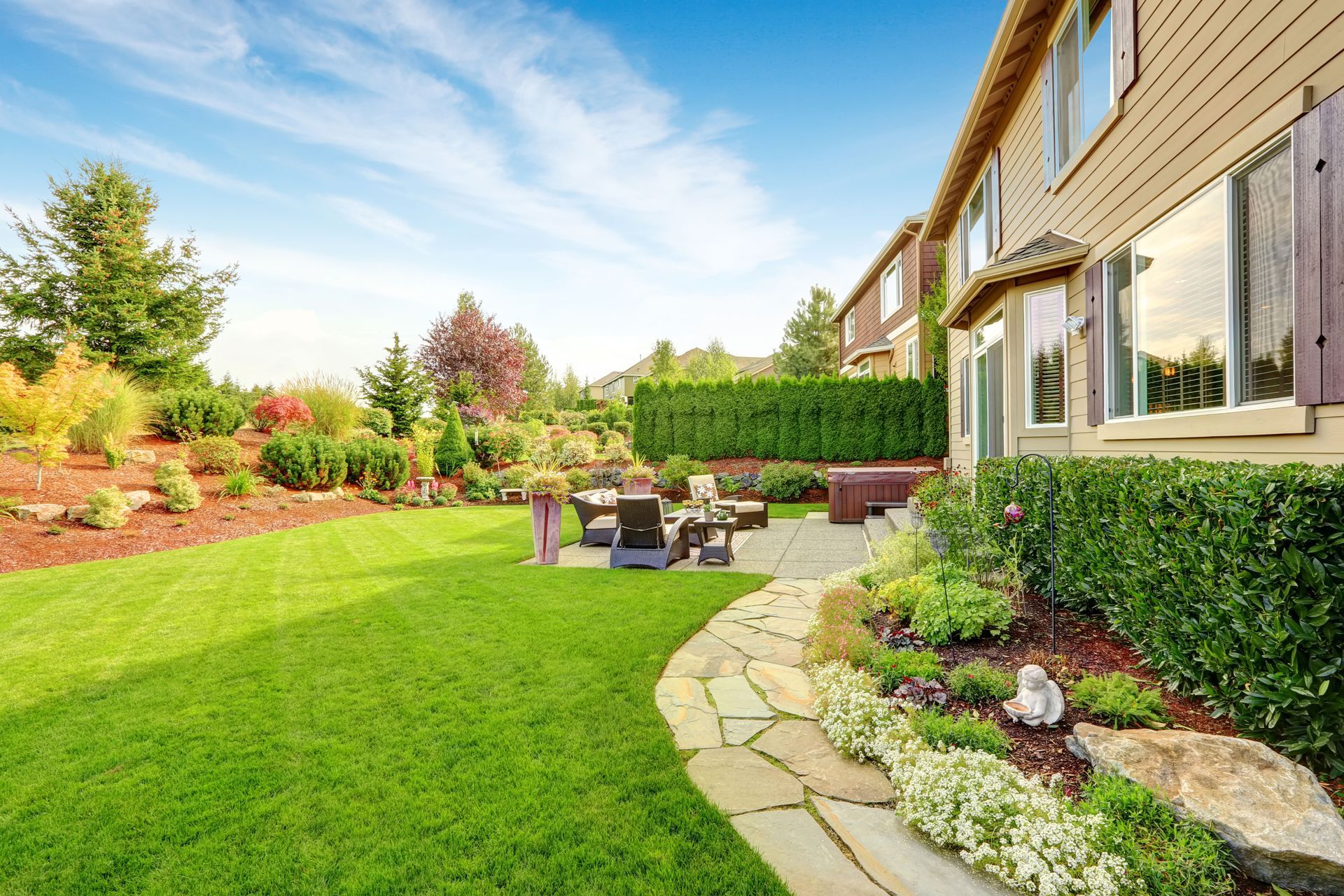
Landscaping plants are pivotal in creating visual variety and interest within outdoor areas. By selecting a mix of plant types, including trees, shrubs, and flowers, homeowners can introduce different heights, shapes, and colors to their gardens. This diversity breaks the monotony and adds layers to the visual experience, capturing the attention of visitors and providing a pleasing backdrop to everyday life. The careful placement of plants can also guide movement through the space, highlighting specific areas and creating a sense of curiosity and exploration. This element of visual intrigue is essential to maintaining an engaging outdoor environment.
Seasonal color and blooms transform outdoor spaces throughout the year, aligning with the natural changes in the environment. Flowers such as tulips and daffodils herald the arrival of spring with vibrant colors, while autumn-bringers like chrysanthemums and maples paint the landscape in rich hues of red and gold. By understanding and leveraging these natural cycles, homeowners can ensure their gardens remain dynamic and appealing year-round. This commitment to embracing seasonal beauty also fosters anticipation and appreciation for the unique qualities each season brings. Consequently, seasonal planting strategies enable the creation of an ever-evolving outdoor tapestry.
Creating focal points with specific plants can greatly enhance the structure and flow of a landscape. Feature plants, such as distinguished trees or ornamental grasses, can serve as anchors or highlights in garden design, drawing in viewers and encouraging them to pause and admire. These elements can be strategically placed to complement architectural features or act as standalone statements, contributing to both the beauty and coherence of the overall design. This manipulation of focus not only improves aesthetic appeal but also elevates the dramaturgy of outdoor spaces, turning them into stages where nature performs its continuous theater. Focal points, therefore, are key to creating a memorable and impactful garden setting.
2. Supporting Biodiversity and Wildlife
Landscaping plants play a crucial role in attracting pollinators such as bees, butterflies, and birds, which are essential to ecosystem health. By incorporating native flowering plants, gardens become vibrant hubs of activity where these creatures can thrive. Pollinators assist in the reproduction of plants, facilitating the production of fruits, seeds, and future generations of vegetation. This mutually beneficial relationship enhances not only ecological biodiversity but also the visual and sensory richness of outdoor spaces. Homeowners who prioritize pollinator-friendly gardens contribute to the greater effort of conserving these vital species.
Outdoor spaces furnished with dense plantings provide shelter and habitats for various wildlife species. Bushy shrubs, rock gardens, and trees offer essential cover and nesting sites that protect animals from predators and harsh weather conditions. By designing landscapes that support fauna, gardens extend their function beyond visual appeal, fostering ecosystems where life can flourish. This habitat creation encourages a balanced and interconnected web of species, enhancing the garden's complexity and resilience. Engaging in such practices not only enriches personal outdoor experiences but also contributes positively to global biodiversity efforts.
Encouraging native species through landscaping initiatives enhances the sustainability of outdoor spaces. Native plants are adapted to local climates and soil conditions, often requiring less maintenance and additional inputs like water and fertilizers. By promoting these species, homeowners reduce their gardens' ecological footprint while simultaneously fostering environments that support indigenous wildlife. This symbiosis not only benefits the immediate garden ecosystem but also aids in the preservation of regional biodiversity. As native plant communities flourish, they build resilience against invasive species, ensuring the long-term health and viability of the landscape.
3. Improving Environmental Quality
Landscaping plants significantly contribute to reducing air pollution, acting as natural air filters. Plants absorb carbon dioxide and other pollutants, trapping particulate matter on their leaves and releasing clean oxygen back into the atmosphere. This natural process is crucial in urban areas, where air quality can be compromised by traffic emissions and industrial activities. By strategically planting trees and shrubs, homeowners can improve the air quality around their homes, making outdoor environments healthier and more enjoyable. This environmental service underscores the importance of integrating green spaces into urban planning and development.
Enhancing soil quality is another important role of landscaping plants. Through processes such as root growth and leaf litter decomposition, plants enrich the soil with organic matter and nutrients. This not only supports the health of the landscape but also improves the capacity of the soil to retain water, reducing the need for frequent irrigation. The presence of robust plant life also stabilizes the soil, preventing erosion and protecting the foundation of built structures. As a result, landscaping initiatives contribute to the sustainable management of land resources, underscoring their value in ecological conservation.
4. Increasing Property Value
One of the most recognizable ways that landscaping plants increase property value is by enhancing curb appeal. A visually appealing front yard creates a welcoming first impression, drawing potential buyers and guests toward the property. The strategic use of plants to frame entryways and line walkways adds structure and symmetry, making the home appear more inviting and well-maintained. This enhances the overall aesthetic of the property, which can be especially important in competitive real estate markets. Consequently, investing in landscape design is a wise decision for homeowners looking to boost their property's market position and appeal.
Long-term investment benefits of landscaping extend well beyond immediate visual improvements. A thoughtfully designed landscape can appreciate over time as plants mature and architectural elements blend with natural features. This gradual process increases the property's desirability and economic value, offering a tangible return on investment for homeowners. Furthermore, robust plantings can reduce energy costs by providing shade in the summer and acting as windbreaks in the winter, which further adds to long-term savings. Therefore, landscaping is not only an aesthetic endeavor but also a practical financial investment.
5. Promoting Health and Well-being
The presence of landscaping plants is closely linked to reduced stress and anxiety levels among individuals who interact with them. Gardens and green spaces provide a refuge from the fast-paced nature of modern life, offering opportunities for relaxation, meditation, and reflection. The natural beauty and tranquility of landscaped outdoor areas calm the mind and promote emotional balance. This effect is supported by numerous studies that highlight the health benefits associated with time spent in nature. By incorporating plants into landscapes, homeowners create environments that foster mental health and enhance quality of life.
Gardens and landscaped spaces also encourage physical activity, which contributes to overall well-being. Engaging with the garden through planting, pruning, and weeding provides a form of exercise that enhances physical fitness. Moreover, these activities promote an active lifestyle, decreasing risks associated with sedentary behavior and related health conditions. In addition to individual movement, gardens can facilitate group activities such as games and sports, further fostering community and social bonds. Landscaping, therefore, not only beautifies spaces but also nurtures healthier, more active lives.
Incorporating plants into landscapes enhances mental focus and creativity, providing an environment conducive to intellectual engagement and inspiration. The aesthetic qualities and natural rhythms of garden settings stimulate the senses and encourage cognitive shifts away from rigid thought patterns. This imaginative awakening can lead to increased problem-solving abilities and innovative thinking. Additionally, the sensory interaction with plants can heighten awareness and attentiveness, making outdoor spaces ideal spots for learning and work activities. Consequently, landscaping efforts can be integral in crafting environments that foster personal and professional growth.
Landscaping plants profoundly transform outdoor spaces, offering advantages that span aesthetics, environmental quality, property value, and personal well-being. By thoughtfully incorporating diverse plantings, you can create outdoor environments that aren't only visually appealing but also ecologically sustainable and health-promoting. Reach out to Superior Outdoor Expressions today to learn more. According to Emory University, there are around 19,800 landscape designers in the country, but not all of them can promise the decades of experience we offer.


Share On: