
Choosing Between Perennials, Annuals, and Evergreens for Year-Round Interest
Creating a beautiful landscape that offers visual appeal in every season is a common goal for homeowners. The key to achieving this lies in understanding how to combine different types of flora effectively. A well-designed garden will ensure that there is always something catching the eye, whether it is the vibrant blooms of summer or the stark, structured greenery of winter. According to the United States Department of Agriculture, nursery stock makes up the majority of sales for garden centers, generating over $5 billion a year. This figure highlights how much time and resources people invest in cultivating their outdoor spaces. However, simply buying random shrubs from plant nurseries will not guarantee a harmonious result. Instead, careful thought must be put into balancing short-term vibrancy with long-term stability. By choosing the right mix of species, you can build an environment that thrives from spring through winter.
Understanding the Different Plant Categories
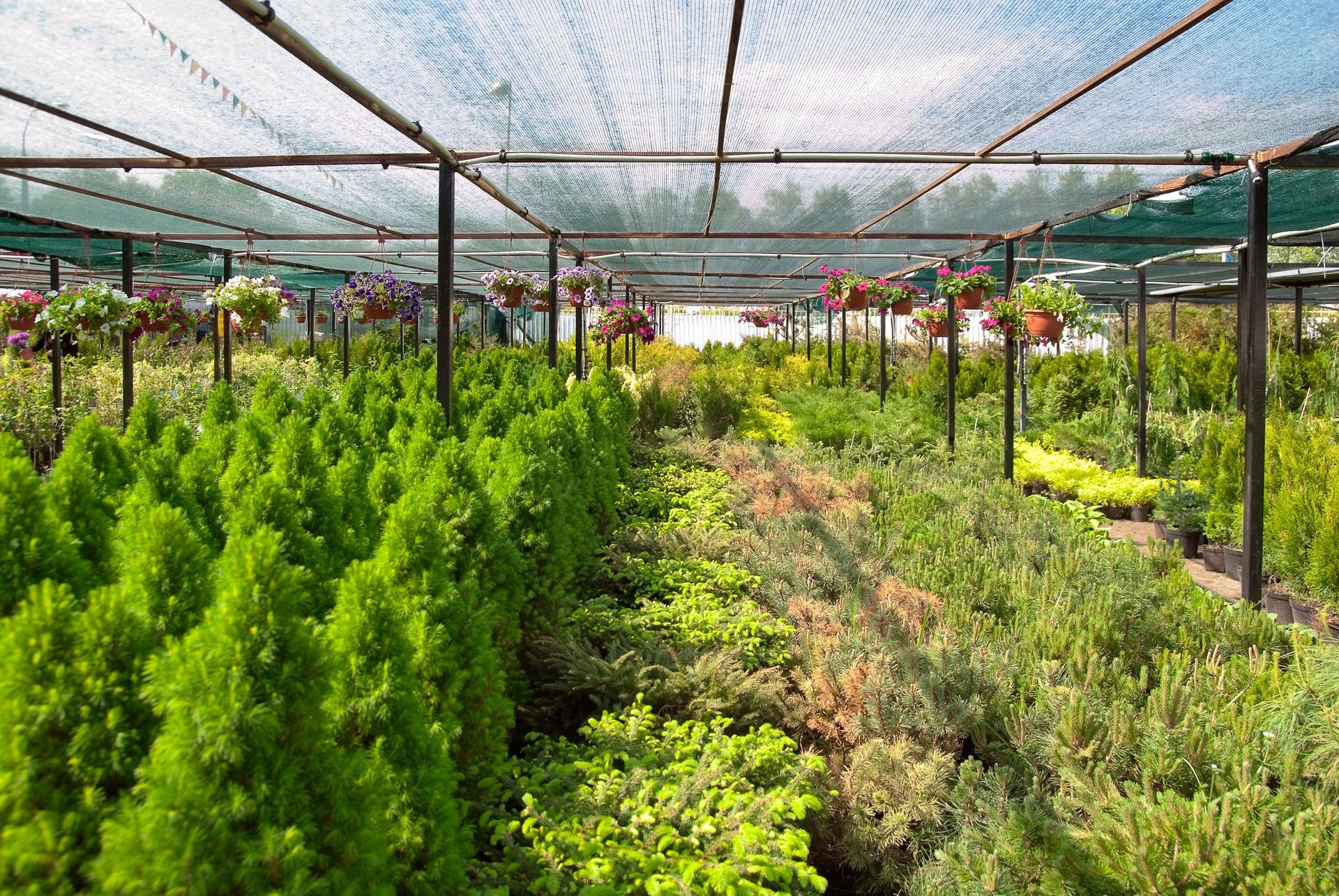
Before you begin plotting out your garden beds, it is crucial to understand the foundational differences between the three main categories of garden vegetation. Perennials are plants that live for more than two years, typically dying back to the ground in the autumn and winter, only to return with fresh growth in the spring. Annuals complete their entire life cycle in a single growing season. They sprout, bloom brightly, drop seeds, and die within a few months, making them perfect for temporary pops of color. Finally, evergreens are exactly what their name implies: plants that retain their foliage throughout the entire year. When browsing the aisles at local plant nurseries, you will often find these categories separated because they serve different purposes in landscape design. Recognizing how each category behaves over twelve months is the first step toward creating a dynamic, ever-changing garden that never looks completely dormant.
Incorporating Annuals for Immediate Visual Impact
When it comes to instant gratification, nothing beats the energetic display provided by annuals. Because these plants only have one season to reproduce, they put an enormous amount of energy into producing showy flowers over a long period. This makes them incredibly valuable for filling in gaps while you wait for younger vegetation to mature. For example, if you have just finished a large patio design project and want immediate color around the borders, annual flowers are the perfect solution. While you can find seeds online, visiting plant nurseries allows you to purchase established flowers for immediate planting. You can effortlessly switch up your color palette every year, experimenting with bold reds one summer and calming blues the next. Furthermore, many people enjoy integrating these temporary blooms into outdoor decor arrangements, such as hanging baskets, making the extra planting effort worthwhile for those who crave continuous color.
Planting Perennials for Long-Term Garden Value
While annuals offer short-lived drama, perennials provide enduring value and reliability. Investing in these plants means you are establishing a foundation that will grow stronger and more impressive with each passing year. Although their blooming periods are generally shorter than those of their single-season counterparts, the sheer variety of blooming times allows you to orchestrate a sequenced display of color from early spring until late autumn. Many experienced gardeners carefully plan their beds so that as one species fades, another begins to open. Beyond their flowers, many perennials offer interesting foliage textures that add dimension to the landscape. If you need help choosing the right species, professional planting advice can save you time and money. Additionally, sourcing healthy roots from reputable plant nurseries ensures that your garden will have a robust start. Once established, these resilient beauties often require less maintenance, making them a cornerstone of sustainable gardening.
Establishing Evergreens for Structural Foundation
As the vibrant colors of autumn fade and the deciduous leaves drop, the true value of evergreens becomes brilliantly apparent. These stalwarts of the garden provide essential structure, acting as the permanent framework around which all other plants are arranged. Without them, a winter landscape can look barren and desolate. Evergreens come in an array of shapes and shades, from the silvery-blue needles of a spruce to the glossy leaves of a boxwood. They are perfect for creating privacy screens, defining property lines, or serving as a dramatic backdrop for brighter summer flowers. When considering tree installation or shrub installation, incorporating evergreen varieties is highly recommended to ensure your yard retains character in the colder months. Browsing through plant nurseries during the late fall is often the best way to appreciate the diverse textures and forms that these resilient plants bring to a snowy scene.
Designing a Cohesive Year-Round Landscape
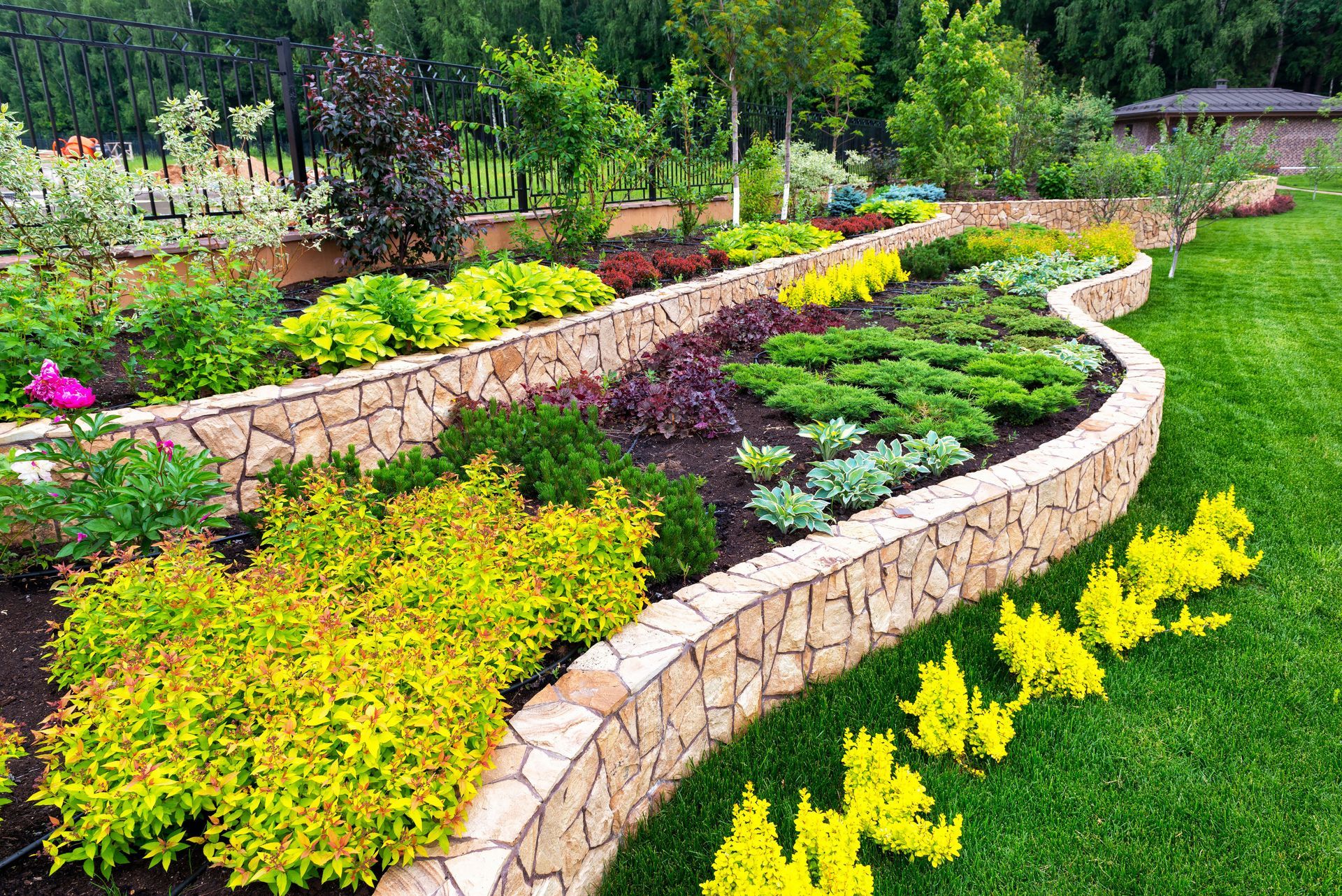
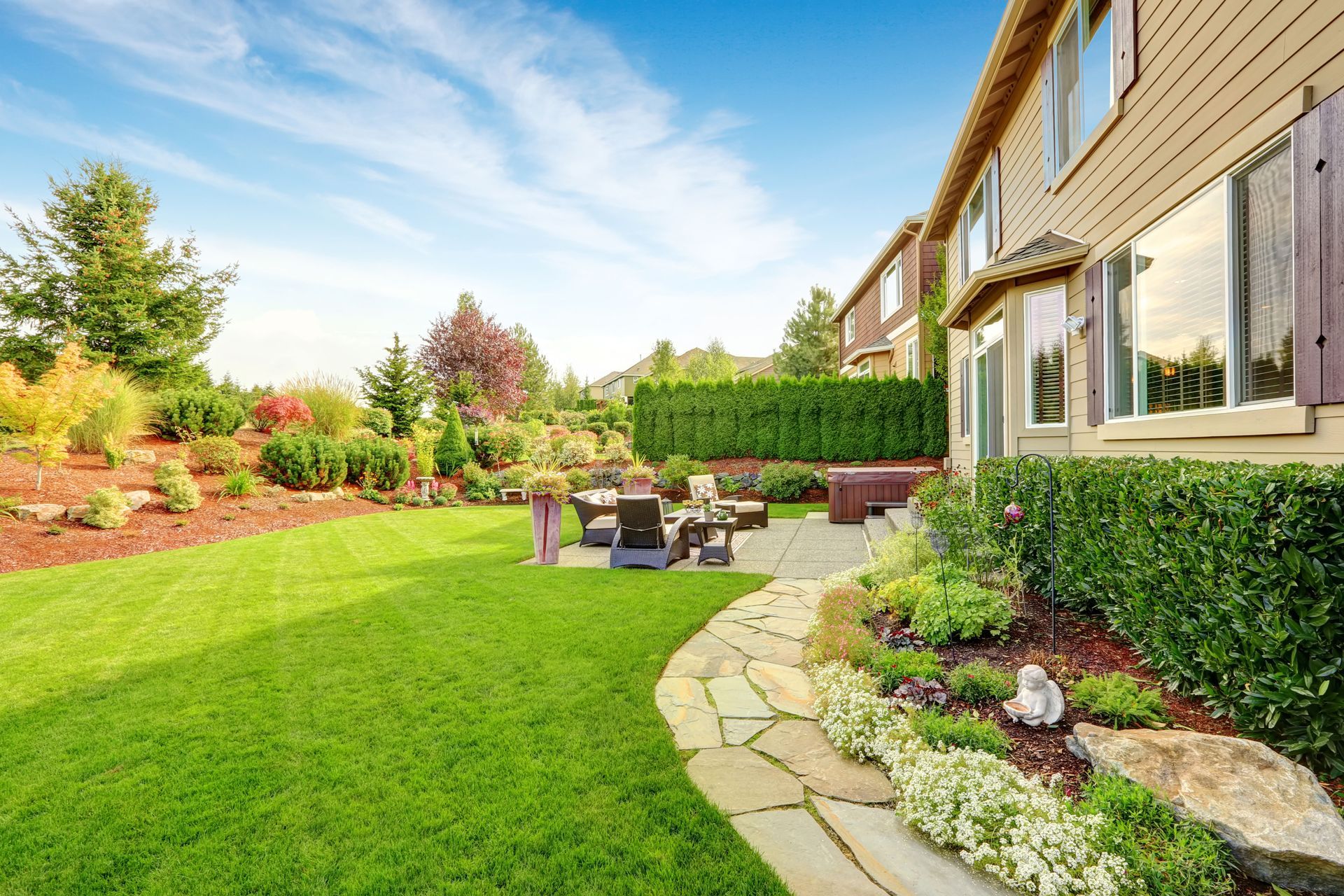
The true art of gardening lies in blending these three distinct plant types into a unified, harmonious design. A successful landscape relies on evergreens for its year-round skeleton, perennials for its recurring seasonal flesh, and annuals for its bright, temporary makeup. To achieve this, start by mapping out the permanent fixtures. Think about where you want your tallest trees and shrubs to create privacy. Once the structural elements are in place, layer in the perennials, paying close attention to their blooming schedules. Finally, allocate space in your seasonal decor containers specifically for annuals. If this feels overwhelming, obtaining detailed landscape plans can help you visualize the final outcome. Many plant nurseries employ knowledgeable staff who can help you pick the perfect combinations for your unique aesthetic preferences, ensuring that your garden will gracefully transition from one beautiful phase to the next.
Maintaining the Beauty of Your Garden
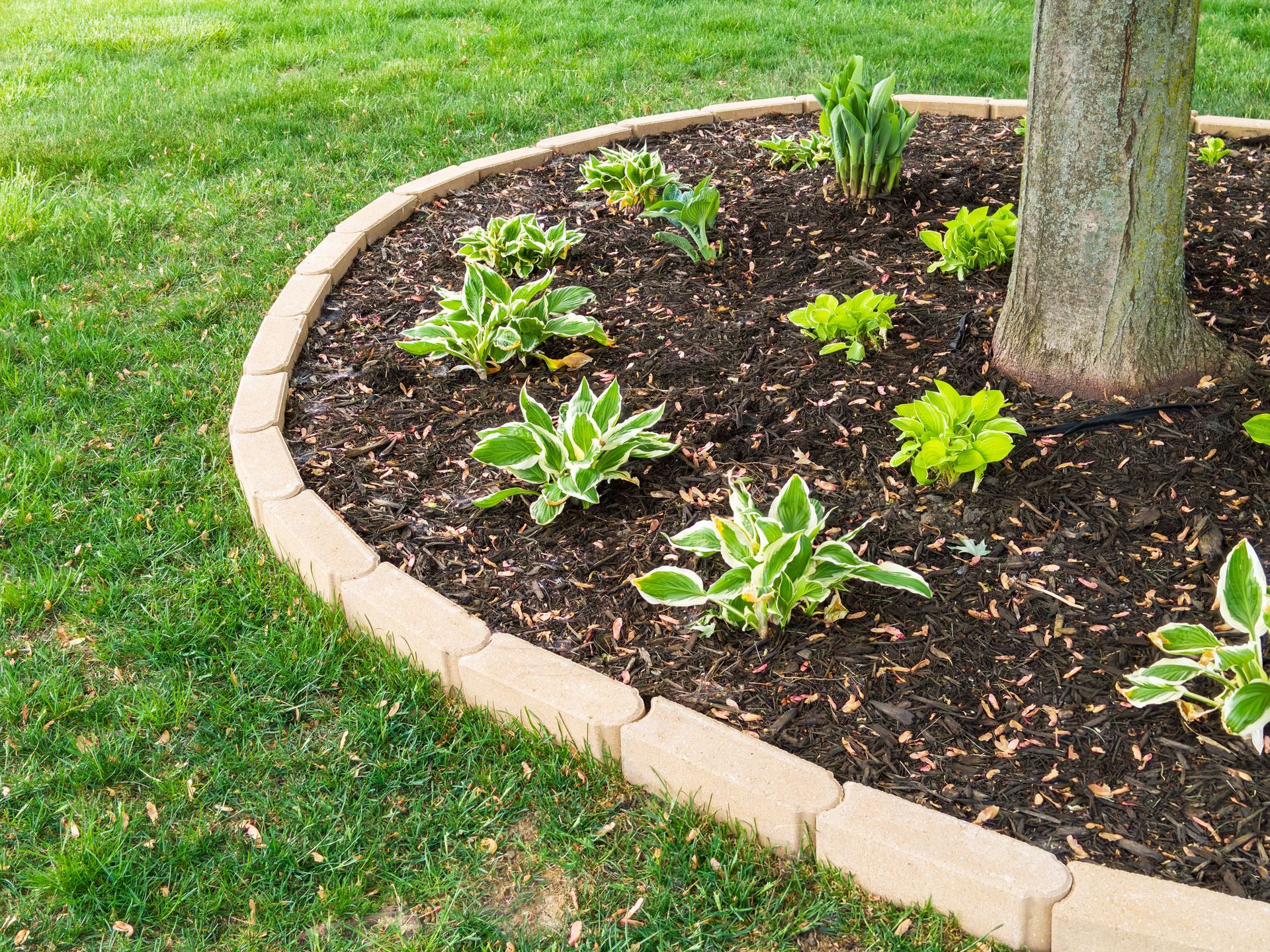
Even the most perfectly planned landscape requires ongoing care to reach its full potential. Different plant types have varying needs when it comes to watering, pruning, and fertilizing. Annuals generally demand regular watering and frequent feeding to sustain their intense blooming cycles. Perennials need to be cut back at the appropriate time of year, and many will need to be divided every few seasons to maintain their vigor. Evergreens still require occasional pruning to maintain their desired shape and remove any dead wood. To keep your garden beds looking pristine, applying bulk mulch around the base of your plants improves the overall appearance and protects root systems. High-quality plant nurseries often carry the best mulch and soil amendments. If older shrubs are hindering your design, professional plant removal services can clear the way. Whether you are managing drought-tolerant landscaping or lush blooms, a consistent lawn care service can alleviate much of the heavy lifting.
Creating a landscape that offers year-round interest is a rewarding endeavor that transforms a standard yard into a dynamic, living work of art. By understanding the unique strengths of perennials, annuals, and evergreens, you can craft a balanced environment that never loses its appeal. The initial planning phases are crucial, and taking the time to visit local plant nurseries to examine different species will greatly enhance your final design. A garden is a continuously evolving space that grows and changes alongside you. From laying down the perfect soil foundation to the final touches of home decor and gifts on your patio, every detail contributes to the atmosphere. Partnering with professionals who understand horticulture can make all the difference. Whether you are planning a small organic garden setup or overhauling your entire backyard aesthetic, receiving guidance ensures success. For all your landscaping needs, from neighborhood delivery of supplies to comprehensive garden maintenance, turn to the experts at Superior Outdoor Expressions.
Share On: