
A Complete Guide to Utilizing Landscape Design for Curb Appeal
Understanding the importance of landscape design in enhancing your home's curb appeal is pivotal. This guide aims to provide a comprehensive approach to using landscape design effectively to make a lasting first impression. Enhancing curb appeal is not just about aesthetics; it also increases property value and provides a sense of pride and satisfaction to homeowners. An effectively designed landscape can transform any property into a welcoming haven, setting a positive tone for what lies beyond the front door. By the end of this article, you'll be equipped with strategies and ideas to create an enviable exterior that reflects personal style and environmental sensibility.
Understanding the Basics of Landscape Design
Identifying the Key Elements
A well-designed landscape is defined by its balance, contrast, and unity. Balance ensures that all elements are arranged in a way that is pleasing to the eye, whether symmetrical or asymmetrical. Contrast is achieved by using shapes, colors, and textures that stand out against each other to create visual interest. Unity ties the landscape elements together, creating a cohesive look that feels organic and intentional. To achieve unity, one must choose a theme or style and maintain it throughout the space, while incorporating elements that complement each other in color, form, and texture.
Choosing a Focal Point
Determining a focal point in landscape design draws the viewer's attention and anchors the overall design. An ideal focal point could be a large tree, a garden sculpture, or a water feature, serving as a visually striking centerpiece. The placement of a focal point should be strategic, ensuring it is visible from multiple angles and integrates seamlessly with surrounding elements. It establishes a hierarchy within the design, providing a central feature around which other elements are arranged. By choosing an enticing focal point, you guide the viewer's journey through the landscape, creating an engaging and memorable visual story.
Considering Color and Texture
Color and texture are powerful tools in creating visually appealing landscapes. Bright, contrasting colors can create energy and excitement, while muted palettes evoke tranquility and elegance. Texture plays a crucial role in adding layers and depth, distinguishing between smooth, soft, coarse, and spiky elements. By combining fine-textured plants with bold foliage or using variegated leaves, one can express individuality and create dynamic compositions. Careful attention to color and texture helps cultivate emotional responses, making the landscape not only pleasing to the eye but also intellectually stimulating.
Planning for Year-Round Appeal
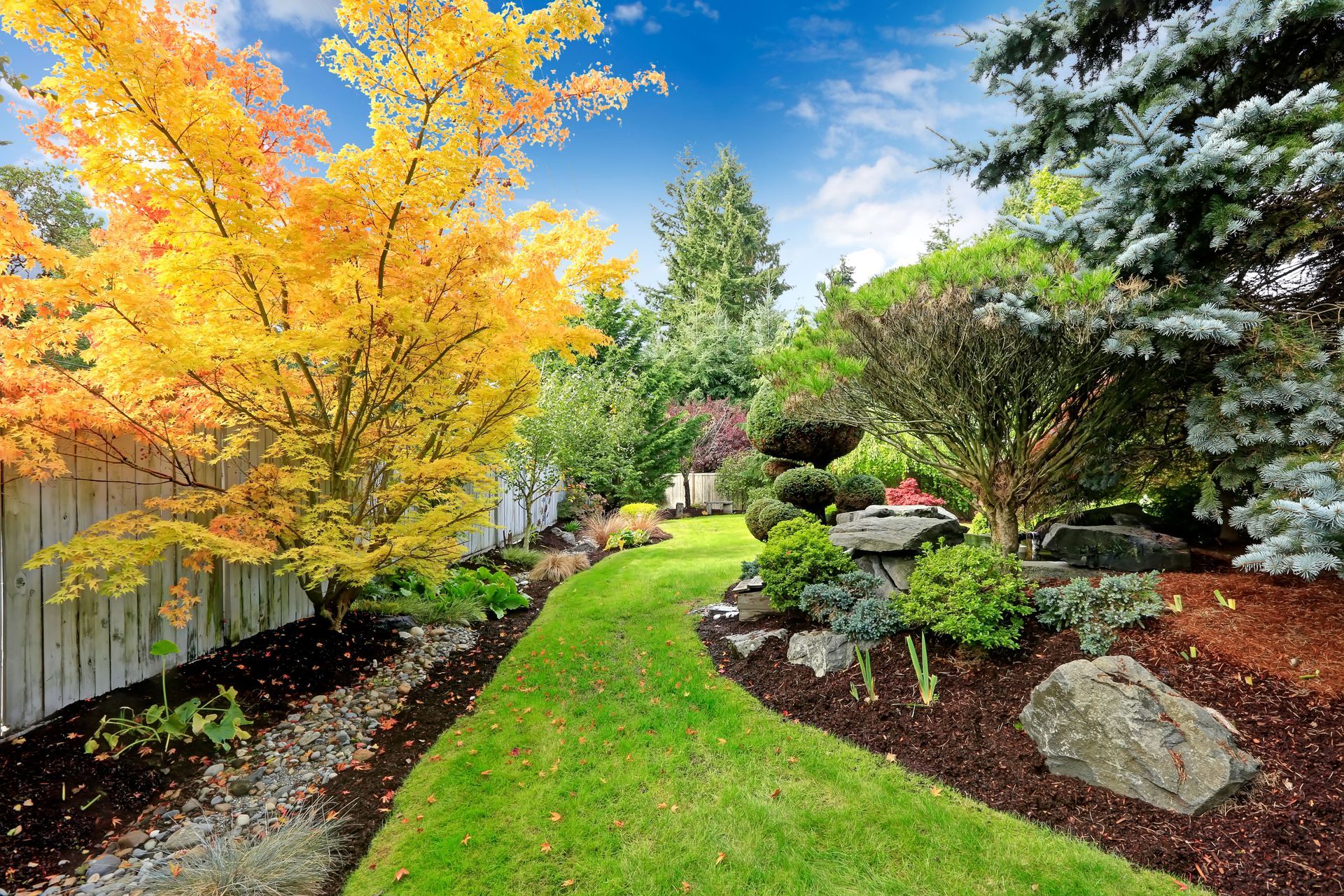
To ensure a landscape retains its beauty throughout the year, it's essential to plan for all seasons. This involves selecting a variety of plants that bloom or remain vibrant at different times, ensuring color and interest aren't limited to spring or summer. Incorporating evergreen plants, such as certain shrubs and groundcovers, guarantees greenery even during winter. Deciduous trees with interesting bark, berries, or fall color can provide secondary interest during dormant seasons. By layering plants with diverse blooming schedules and textures, one can craft a landscape that captivates year-round, regardless of the weather.
Selecting the Right Plants
Native vs. Exotic Plants
Choosing between native and exotic plants can significantly affect a landscape's sustainability and maintenance. Native plants offer several advantages, including resilience to local pests, diseases, and climate conditions, reducing the need for chemical interventions. Moreover, they support the local ecosystem by providing food and habitat for native wildlife. Exotic plants, while often prized for their unique appearances, require greater care and control to prevent them from becoming invasive. According to the National Association of Landscape Professionals (NALP), over 40% of consumers enhance their home's curb appeal with professional landscaping services, often preferring solutions that blend native and exotic elements harmoniously.
Choosing Plants for Each Climate Zone
Understanding your local climate zone is crucial in selecting plants that will thrive and contribute positively to the landscape. The USDA Plant Hardiness Zone Map is a valuable resource for identifying the suitability of plants to specific regions based on average minimum temperatures. Choosing plants that are well-adapted to your zone minimizes stress and maintenance, ensuring longevity and vigor. Heat and drought-resistant plants suit arid zones, whereas moisture-loving varieties may be more appropriate for wetter climates. By aligning plant selection with climate requirements, you reduce the risk of failure, fostering a resilient and thriving landscape.
Plant Size and Space Considerations
Thoughtful consideration of plant size and spacing is essential in creating a functional and aesthetically pleasing landscape. Overcrowding can lead to competition for resources, resulting in stunted growth and increased susceptibility to disease. Therefore, it's vital to understand each plant's mature size and incorporate adequate spacing in the initial design. Paying attention to vertical and horizontal growth patterns ensures plants have the room they need to fully develop without intruding on neighboring species. By planning for growth, you create a landscape that allows each plant to showcase its beauty and contribute harmoniously to the overall landscape design.
Seasonal Plant Selection
Selecting plants that offer seasonal interest is key to maintaining an engaging landscape. Incorporate a mixture of perennials and annuals with staggered blooming periods to ensure continuous color and vibrancy. Trees and shrubs that produce colorful foliage or berries in autumn add another dimension of interest as the seasons change. Additionally, layering bulbs that appear in spring with summer-blooming perennials creates a continuous succession of floral displays. By considering each plant's seasonal attributes, you craft a dynamic landscape design that evolves and surprises throughout the year.
Utilizing Lighting Design for Enhancing Curb Appeal
Importance of Landscape Lighting
Landscape lighting is a powerful tool that enhances the beauty and functionality of outdoor spaces after dark. Illuminating pathways, trees, and architectural features extends usability and promotes safety, preventing accidents and deterring intruders. Well-placed lighting can highlight focal points, adding drama and dimension to the landscape while guiding the viewer's eye through the space. Shadow play between plants and structures creates dynamic compositions, transforming the landscape into a captivating nighttime wonderland. Implementing lighting thoughtfully not only increases curb appeal but also provides a warm, inviting atmosphere for evening enjoyment.
Types of Outdoor Lighting
Outdoor lighting can be categorized into ambient, task, and accent lighting, each serving unique purposes within the landscape. Ambient lighting provides general illumination, creating a welcoming and comfortable environment suitable for relaxation and socializing. Task lighting focuses on function, illuminating specific areas like pathways, doorways, and staircases to ensure safety and visibility. Accent lighting is used to emphasize features such as trees, sculptures, or water elements, creating focal points and adding visual interest. Understanding the different types of lighting and their roles allows for a balanced and well-coordinated illumination plan.
Placement Strategies for Lighting
Strategic placement of lighting enhances the beauty and safety of a landscape, emphasizing key features while ensuring navigation at night. Pathway lights should be positioned to outline walkways without causing glare, guiding movement effectively. Uplights positioned at the base of trees highlight their structure and create dramatic shadows, while downlights mounted on walls or trees can simulate natural moonlight. Incorporating a mix of lighting heights and angles adds depth and variety, enhancing visual interest. Thoughtful placement ensures that lighting is both functional and artistic, contributing to a cohesive and inviting nighttime landscape.
Energy-Efficient Lighting Options
Maximizing energy efficiency in lighting choices is both environmentally responsible and cost-effective. LED lights offer long-lasting, energy-efficient solutions that reduce electricity consumption and maintenance efforts. Solar-powered lights harness renewable energy, eliminating the need for wiring and minimizing environmental impact. Timers, sensors, and smart technologies optimize usage, ensuring lights operate only when needed and at appropriate levels. By prioritizing energy-efficient lighting options, homeowners can enjoy a beautifully illuminated landscape with a reduced carbon footprint and lower utility costs, enhancing sustainability and savings simultaneously.
Careful plant selection, attention to climate conditions, and planning for growth all contribute to a landscape that remains healthy and attractive over time rather than requiring constant correction. Equally important to landscape design is the integration of elements like seasonal plantings and landscape lighting, which extend the usability and appeal of the space throughout the year and into the evening hours. When plants are chosen with purpose, arranged with intention, and supported by practical features such as lighting and proper spacing, the result is a landscape that not only enhances curb appeal but also supports long-term enjoyment and functionality. With a clear plan and attention to detail, any property can be transformed into an outdoor environment that reflects personal style while maintaining lasting visual impact. Contact Superior Outdoor Expressions today to learn more.


Share On: