Why Sourcing Botanical Elements Directly From Greenhouses Enhances Structural Outcomes
Developing a sophisticated residential landscape requires a complete understanding of how regional microclimates, subterranean soil balances, and botanical structural health interact over a project's lifecycle. Property owners frequently focus on selecting hardscape materials, arranging outdoor furniture layouts, or mapping out custom patio zones while leaving the primary plant sourcing completely unoptimized. Purchasing flora from big-box retail centers or uncertified distribution points introduces hidden operational risks, including rootbound structural shock, dormant pest carriage, and early plant mortality that can quickly derail an outdoor budget.
Transitioning from third-party retail middlemen to specialized, climate-controlled cultivation facilities represents a highly practical strategy for reducing installation delays, ensuring genetic purity, and securing high-performance greenery. When your annual blooms, native shrubbery, and mature trees are acclimated using advanced horticultural practices, your entire exterior envelope gains exceptional visual brilliance and resistance to environmental shifts. This comprehensive guide breaks down the structural, logistical, and economic advantages of direct-grower cultivation, helping you optimize your exterior investments while keeping long-term property maintenance expenses completely manageable.
Expanding Design Horizon Versatility
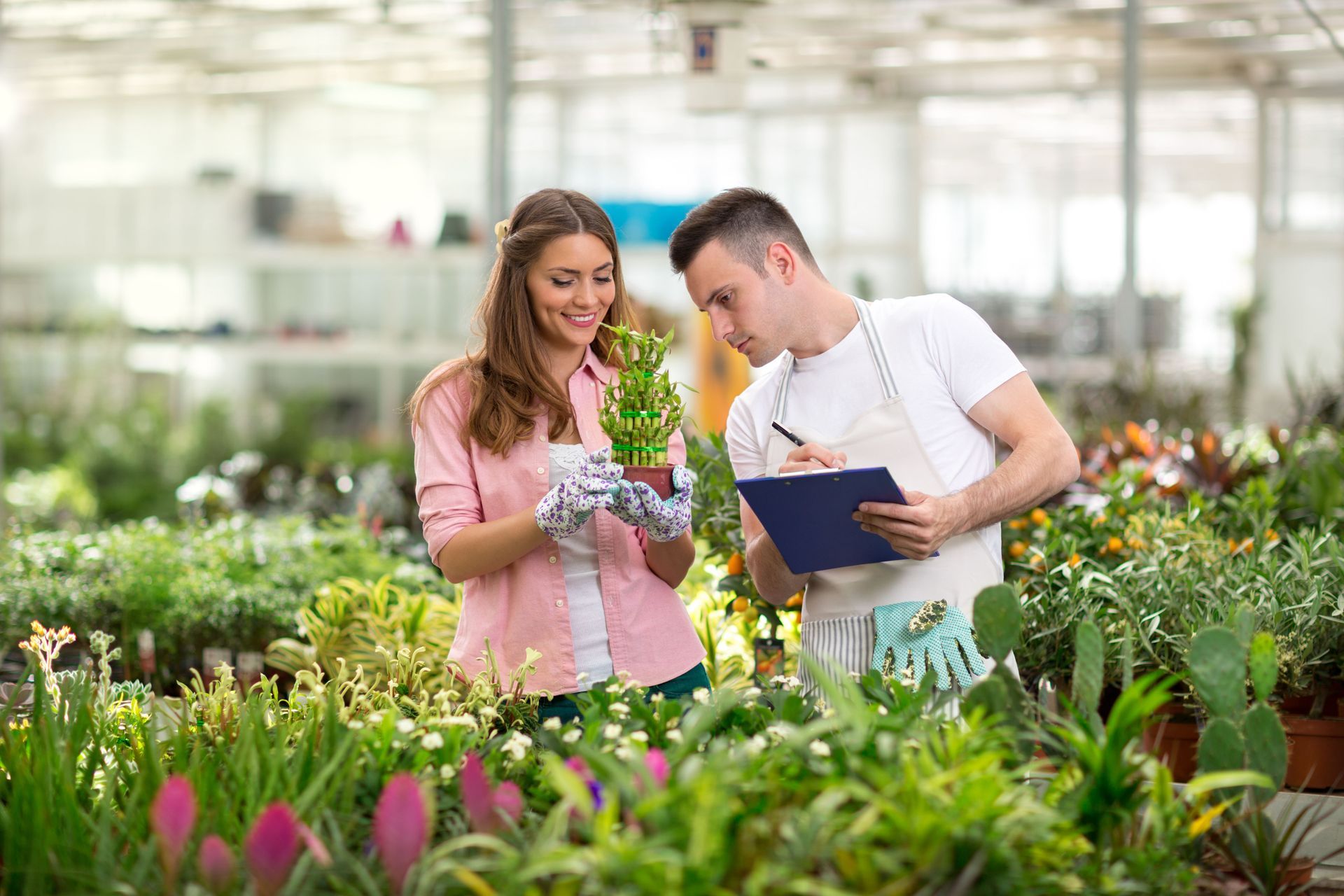
Standard mass-market retailers typically carry a narrow, predictable selection of highly commercial plant varieties engineered exclusively for quick shipping and high-volume sales. In contrast, working directly with professional greenhouses allows landscape designers and homeowners to access a diverse inventory of rare, specialty, and slow-growing cultivars that create unique focal points across your land. These controlled growing spaces focus on protecting delicate foliage patterns and unique structural shapes that traditional stores cannot support, providing you with a rich palette of texturing options to make your exterior living zones stand out.
Preserving Local Biodiversity Networks
Integrating a balanced blend of regional native plants and carefully acclimated exotic species builds a highly resilient backyard ecosystem that functions in perfect harmony with nature. Greenhouses that specialize in localized propagation allow property owners to source strong, indigenous species that have naturally evolved to thrive in regional soil profiles and rainfall patterns.
- Attracting vital native pollinators, honeybees, and songbirds to your garden beds.
- Lowering the need for supplemental chemical fertilizers by utilizing species adapted to regional soils.
- Introducing unique visual architectures through exotic accents that have been properly hardened off for regional planting.
Selecting these climate-adapted elements preserves local botanical richness while establishing a low-maintenance landscape footprint that honors surrounding environmental networks.
Aligning Project Timelines with Seasonal Rhythms
A core challenge of exterior property design is securing healthy, fully developed plant stocks exactly when the seasonal planting window opens. Because commercial greenhouses manage internal light cycles, humidity zones, and root-zone temperatures meticulously, they can cultivate advanced root masses long before the final spring thaw arrives. This administrative and mechanical preparation allows you to install mature, thriving specimens into your soil ahead of the traditional growing curve, extending your blooming seasons and maximizing your property's aesthetic value.
Standardizing System Quality and Operational Safety
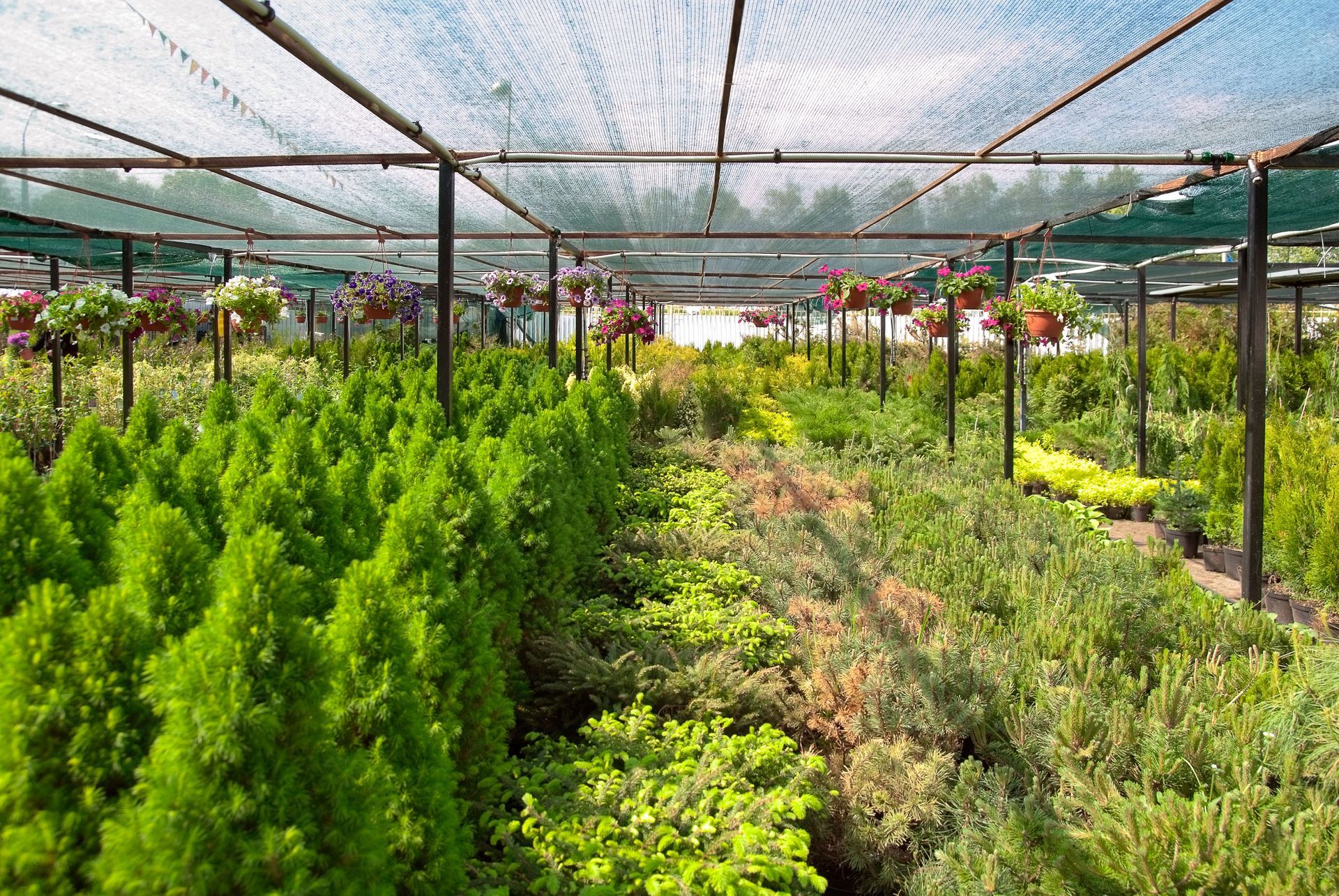
The final health and longevity of your landscape elements depend heavily on the environmental conditions present during their early formative growth cycles. Specialized production greenhouses utilize advanced automated irrigation loops, computer-controlled shading curtains, and targeted nutrient delivery systems to maintain a stress-free growing environment.
This mechanical precision eliminates structural growth pauses, ensuring every shrub, vine, and groundcover develops a robust, high-fiber root architecture capable of resisting future transplant shock.
Implementing Integrated Pest Management Protocols
Unprotected plants grown in open, unregulated store lots are highly vulnerable to localized insect pressures, fungal pathogens, and systemic root rot. Professional greenhouses insulate their crops from these environmental vectors through strict biological barriers and preventative Integrated Pest Management (IPM) practices. Relying on beneficial predatory insects and organic structural washes minimizes the need for harsh chemical sprays, ensuring that the flora delivered to your home is clean, structurally sound, and free from hidden pest colonies that could spread to your existing garden features.
Maximizing Financial Returns for Property Owners
The primary financial benefit of sourcing your botanical inventory directly from commercial cultivation spaces is the immediate elimination of secondary broker markups and retail transit fees. Mass-market retailers must account for long-distance transport logistics, distribution warehouse holding costs, and high inventory loss rates when calculating their final retail shelf prices.
Buying your materials straight from the primary grower removes these unnecessary financial layers, allowing you to secure premium, specimen-grade flora at a significantly lower per-unit cost structure. This direct transparency helps property owners maximize their landscape budget allocations, allowing you to invest the savings into larger trees or enhanced hardscape upgrades.
Boosting Regional Workforce Networks
Investing in direct-grower networks supports a large, highly technical infrastructure of local agricultural professionals, technicians, and specialized landscape architects who manage your regional environment. According to workforce census studies conducted by the National Association of Landscape Professionals, the domestic land management and cultivation sector provides active employment to more than 1.2 million people across the country.
Choosing a local greenhouse over long-distance online shipping hubs keeps your capital within this regional industry loop, helping fund regional horticultural research and stabilization. This direct economic connection strengthens your immediate community, turning a private home enhancement project into a practical investment in your region's environmental stability and skilled labor network.
Upgrading Real Estate Asset Equity
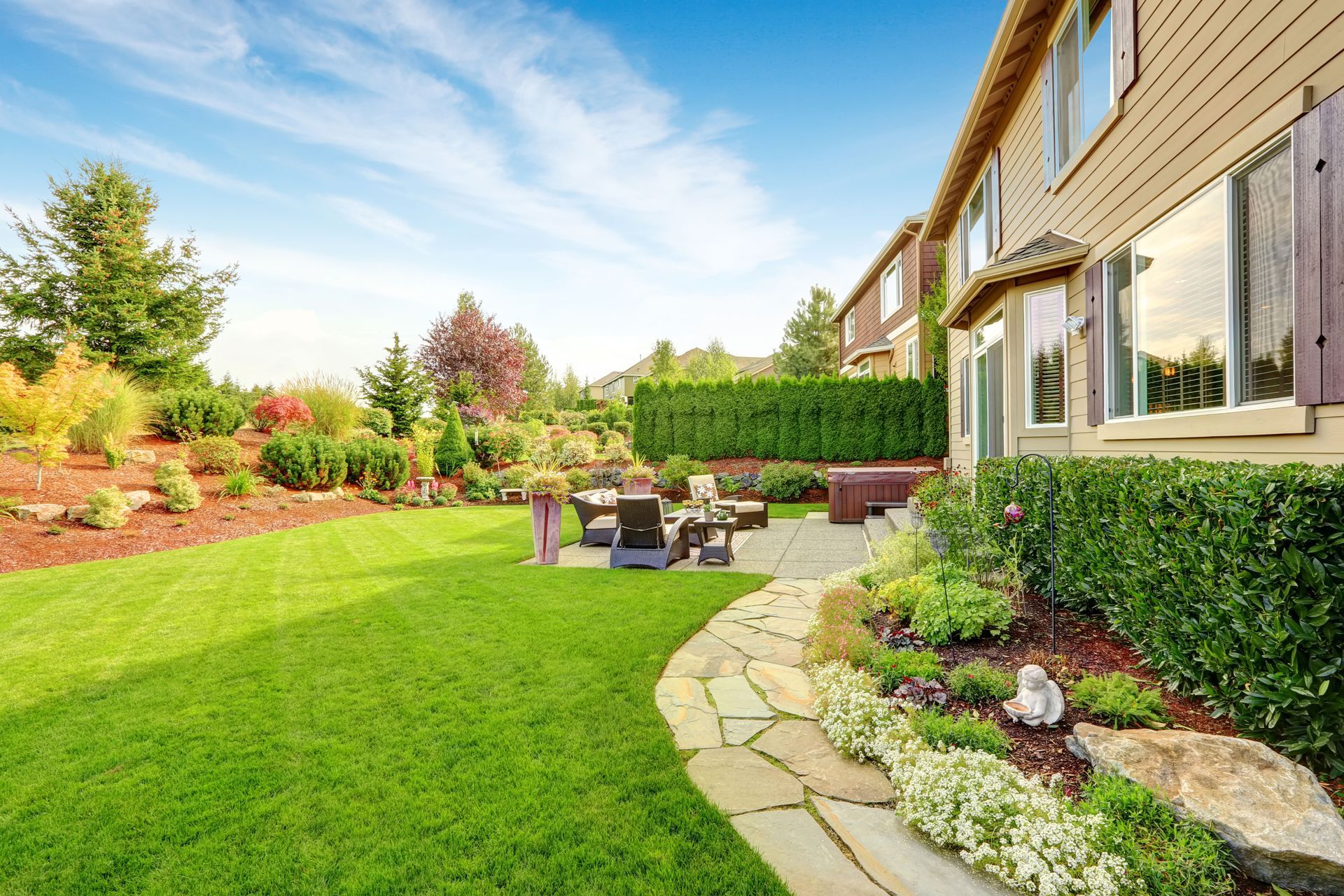
Installing fully mature, greenhouse-hardened plant stocks provides an instant transformation that elevates your property's exterior architecture and market presence. Real estate buyers and professional appraisers look closely at the maturity, health, and design organization of your exterior green spaces when calculating a home's final valuation.
- Framing primary property entryways with high-density, symmetrically balanced evergreen hedges.
- Installing structural shade trees to shade exterior walls and lower ambient cooling costs naturally.
- Establishing clean, color-coordinated flower perimeters that highlight architectural focal points.
Using vibrant, well-established plant varieties shields your real estate equity, making your home a standout asset that commands top market value during future transactions.
Lowering Long-Term Replacement Overhead
Choosing low-quality, stressed plant materials frequently results in high plant failure numbers, forcing property owners to waste valuable time and money digging up and replacing dead installations. Plants cultivated within modern greenhouses feature higher cellular energy reserves and superior vascular health, allowing them to establish their root networks within your soil quickly.
Eliminating early root rot and structural crown failures cuts down on unexpected maintenance expenses, ensuring your garden features continue to expand in density and value year after year.
Executing Expert Integration and Maintenance
Partnering directly with the professionals who cultivated your plant inventory from seed gives you access to precise, data-driven maintenance insights tailored to your specific lot. Greenhouse growers understand the exact nutrient needs, watering limits, and ideal soil pH requirements for each variety, removing all guesswork from your home gardening routines. This direct knowledge transfer helps you avoid common maintenance mistakes like over-watering or improper light placements, ensuring your new yard features remain healthy, stable, and vibrant.
Structuring Professional Exterior Layouts
To ensure your premium greenhouse plants achieve their full design potential, your on-site installation must be handled with precise mechanical accuracy. Field technicians must evaluate local drainage directions, test native soil compaction levels, and map out daily sunlight patterns across your lot before creating any planting beds.
Setting your new specimens within properly dug, compost-enriched planting zones protects your botanical investment, allowing your yard features to grow seamlessly without structural interruptions.
Taking a proactive approach to sourcing your yard's greenery protects your financial investment, shields your property from structural erosion, and delivers an inspiring outdoor living zone for your family. Partnering with an experienced local design team ensures that your micro-climate evaluations, structural bed preparations, and advanced plant selections are handled with complete technical precision. Addressing your property's long-term landscaping needs early eliminates unexpected replacement costs, protects your overall property drainage layouts, and transforms your outdoor spaces into a beautiful, low-maintenance asset.
When your custom residence or commercial property requires professional site layout planning, detailed native plant selections, or specialized specimen integrations, working with established local greenhouses keeps your project on track. Contact Superior Outdoor Expressions to arrange a comprehensive on-site design consultation with our technicians.

Share On: